I became an excited dad when my daughter, Grace was born. Soon after that life-changing event, I remember the Dr having this conversation with my wife and me:
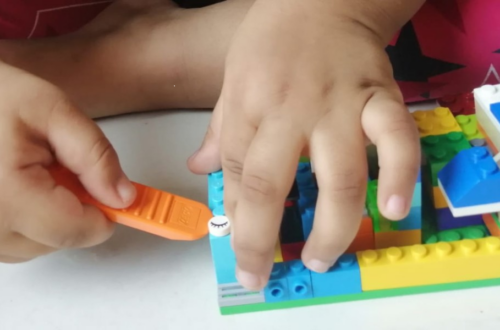
Doc: “Your baby is going to get used to breastfeeding. Initially, it’s going to take longer. Because she will move her jaws about 4 to 5 times. Yet only 1 small drop of milk might come out.”
Me: (Puzzled how a little kid is going to keep doing this.)
Doc: “But don’t worry, this ‘exercise’ will strengthen her muscles. And soon she’ll get better at it. And the feeding times will get shorter.”
Me: (Had a light-bulb moment.)
It dawned on me. That was God’s 101 lesson for the child. “Work is good.”
Some have gone on to say Work is Worship. But is that true? There is some truth in that. But it needs to be examined carefully. Work is different from Worship. If the two words were semantically identical then we wouldn’t have the need for both of them to co-exist. One word would have stood the test of time and the other would have faded away from memory. But that’s not what has happened. Worship is the glorifying or reverence of a supernatural deity. Work is putting in labor to get stuff done. But then why do we have an unchallenged phrase that claims to equate the two?
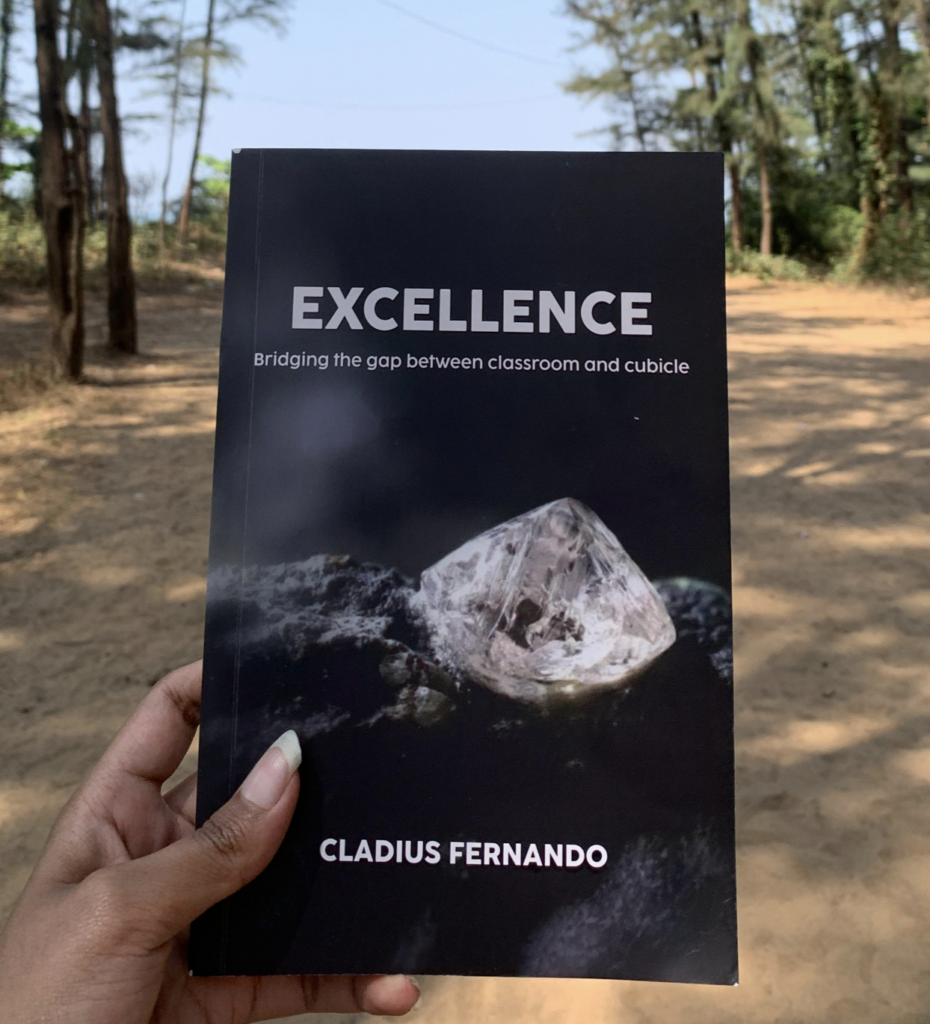
It’s because we realize that it is the Creator’s idea that we work. And that we work on a regular basis. Each of us has been divinely blessed with “natural” talents. Our skillset sets us apart from others. We spend a large amount of our life working at something. It is wise to find an area of work that aligns with our natural gifts. That’s when one enjoys one’s work. And it’s difficult to enjoy one’s life when one is unable to enjoy one’s work. We are all created for a specific purpose. And dare I say, we were created to work towards specific goals. From that perspective, working religiously towards that higher calling is nothing less than worship. Let’s make this personal. I’ve been blessed with natural talent for designing, coding, learning, teaching, and encouraging. I consider it as my higher calling to codify whatever I’ve learnt in my career and pass it on the next generation. I’ve developed a lot of software. But what I take pride in is that I’ve developed a lot of software engineers. And thus, my book Excellence has been a labor of love. Similarly, you have to find your calling. Find what you want to work on.
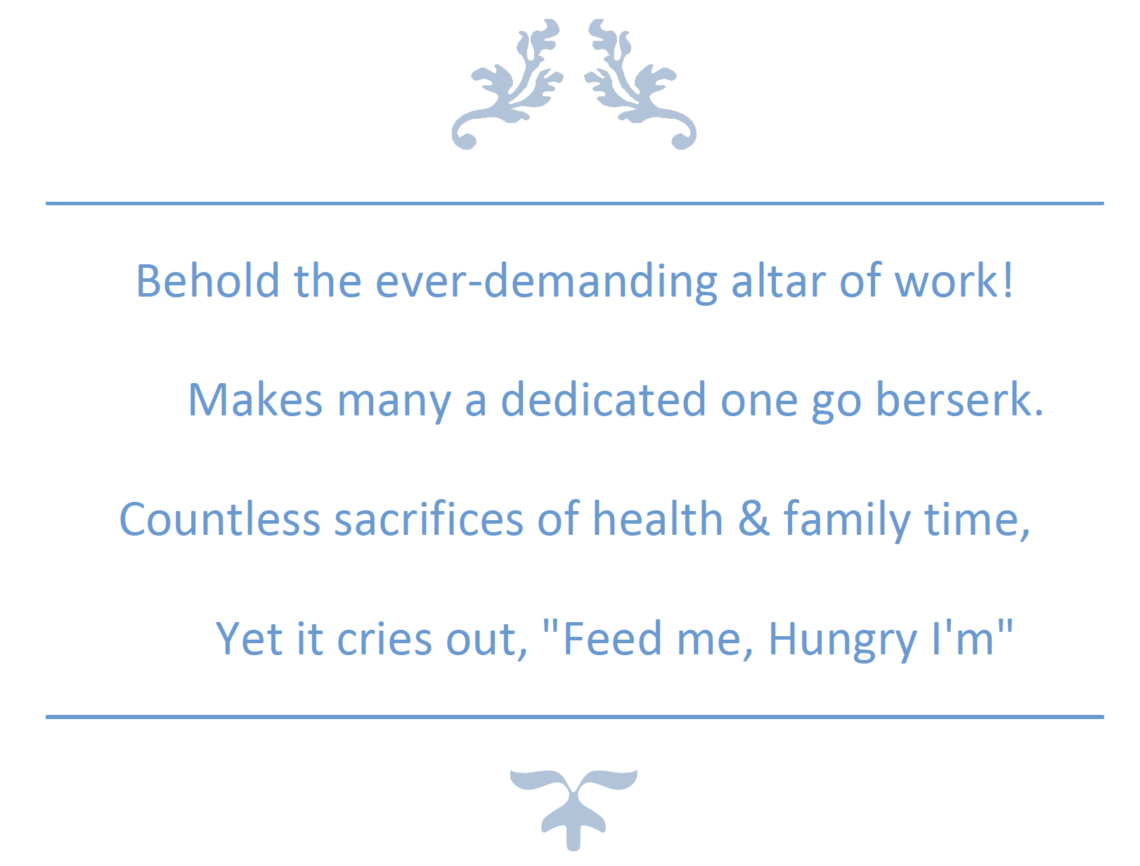
Having placed work on a pedestal, I now want to ensure that it doesn’t slide into a throne. It’s easy to let your work define your identity. Don’t let that happen. You are a person first. Don’t let your work-profile take over your entire identity. Your sense of value shouldn’t be derived from your company, title, or paycheck. At the same time, flip this around and treat your peers the same way, irrespective of their titles. Work hard. But don’t sacrifice your health or personal time for getting more work done. Remember when you fall sick, your company is not going to come home and take care of you. Your loved ones will. At the same time, just because your friends and family love you, they don’t write you a monthly paycheck. Hence, it is important to strike a balance between the work and non-work areas of your life. They are both important. They tend to constantly vie for your time and attention. You can’t neglect one for the other. And it’s important to define the boundaries for both.
If you liked this excerpt, there’s more where that came from. Get a copy of Excellence and benefit from the hard lessons I’ve learned over a period of 2 decades without you having to go through it yourself.